+91 8878385555
zenithclinics@gmail.com

+91 8878385555
zenithclinics@gmail.com
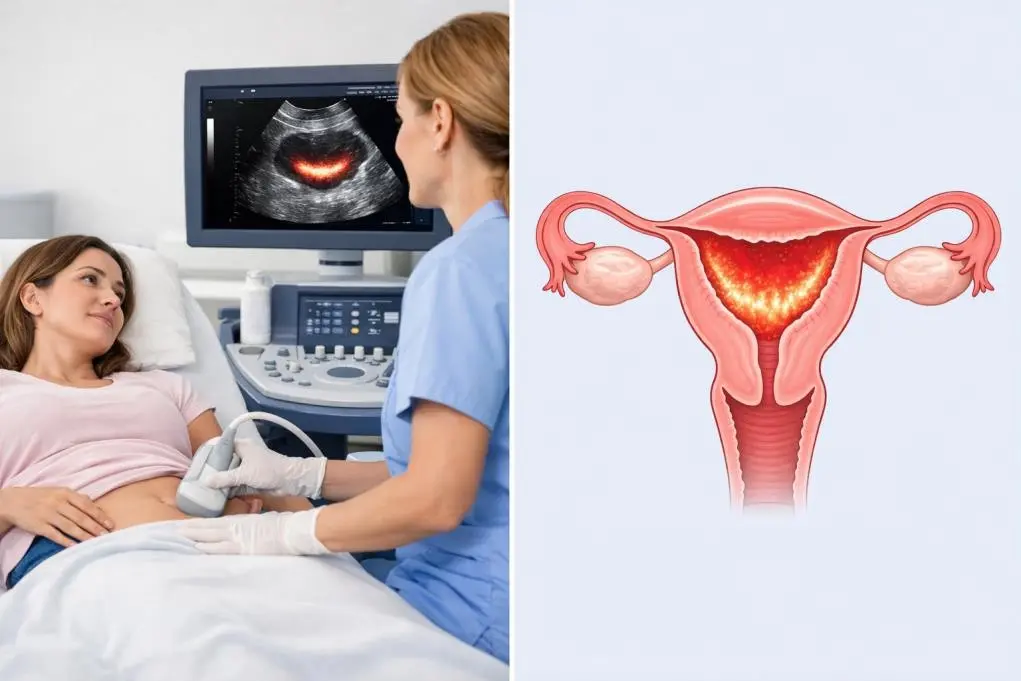
Heavy menstrual bleeding is often brushed off as “normal,” but for many women, it could be a medical condition called menorrhagia. Ignoring persistent heavy periods can lead to anemia, fatigue, and serious underlying gynecological issues.
Menorrhagia refers to abnormally heavy or prolonged menstrual bleeding that interferes with daily life. It is not just about discomfort — it may indicate hormonal imbalance or structural problems in the uterus.
Chronic heavy bleeding can lead to:
Early evaluation is key to preventing complications.
One of the most important steps in evaluating menorrhagia is checking the endometrial thickness (the lining of the uterus). A simple USG Pelvis can help detect:
Ultrasound is painless, safe, and provides valuable information that guides further treatment.
You should consider a pelvic ultrasound if you experience:
Early imaging helps doctors plan timely and effective treatment. Focus on early diagnosis and preventive care for women’s health.
Heavy periods are not something you should “live with.” A simple scan can reveal the cause and help you get the right treatment at the right time.