Adenomyosis: Understanding the Symptoms and When to Seek Help
Many women experience painful or heavy periods at some point in their lives. However, when menstrual pain becomes severe, persistent, or disrupts daily life, it may indicate an underlying condition like adenomyosis.
What Is Adenomyosis?
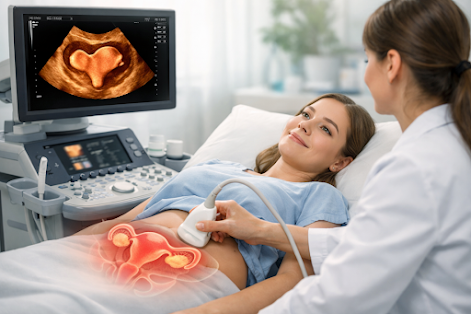
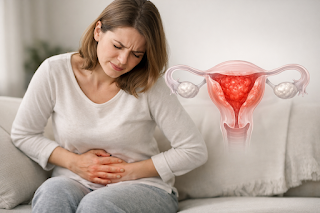
Adenomyosis is a condition in which the inner lining of the uterus (endometrium) grows into the muscular wall of the uterus. This causes the uterus to enlarge and leads to painful and heavy menstrual cycles.
It most commonly affects women in their 30s and 40s, especially those who have had previous pregnancies.
Common Symptoms of Adenomyosis
You may be experiencing adenomyosis if you notice:
- Painful menstrual cramps that worsen over time
- Heavy menstrual bleeding (menorrhagia)
- Irregular or abnormal menstruation
- Chronic pelvic pain
- Infertility issues
- Enlarged or tender uterus
If these symptoms are affecting your quality of life, medical evaluation is important.
Why Does Adenomyosis Cause Heavy Bleeding and Pain?
When endometrial tissue grows into the uterine muscle, it responds to hormonal changes during each menstrual cycle. This leads to:
- Increased inflammation
- Thickened uterine walls
- Stronger uterine contractions
- Excessive bleeding
Over time, untreated adenomyosis can lead to anemia, fatigue, and emotional distress.
How Is Adenomyosis Diagnosed?
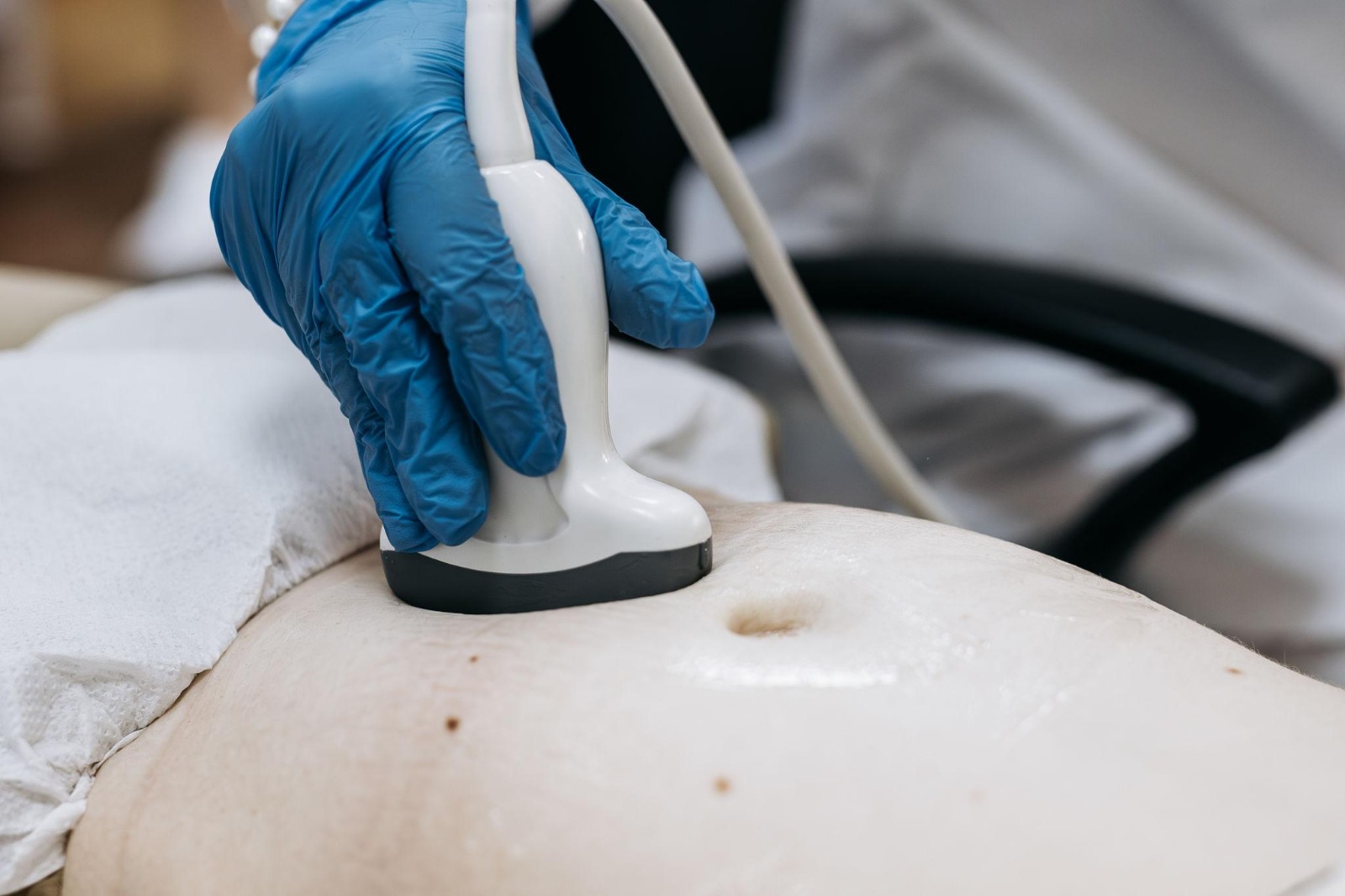
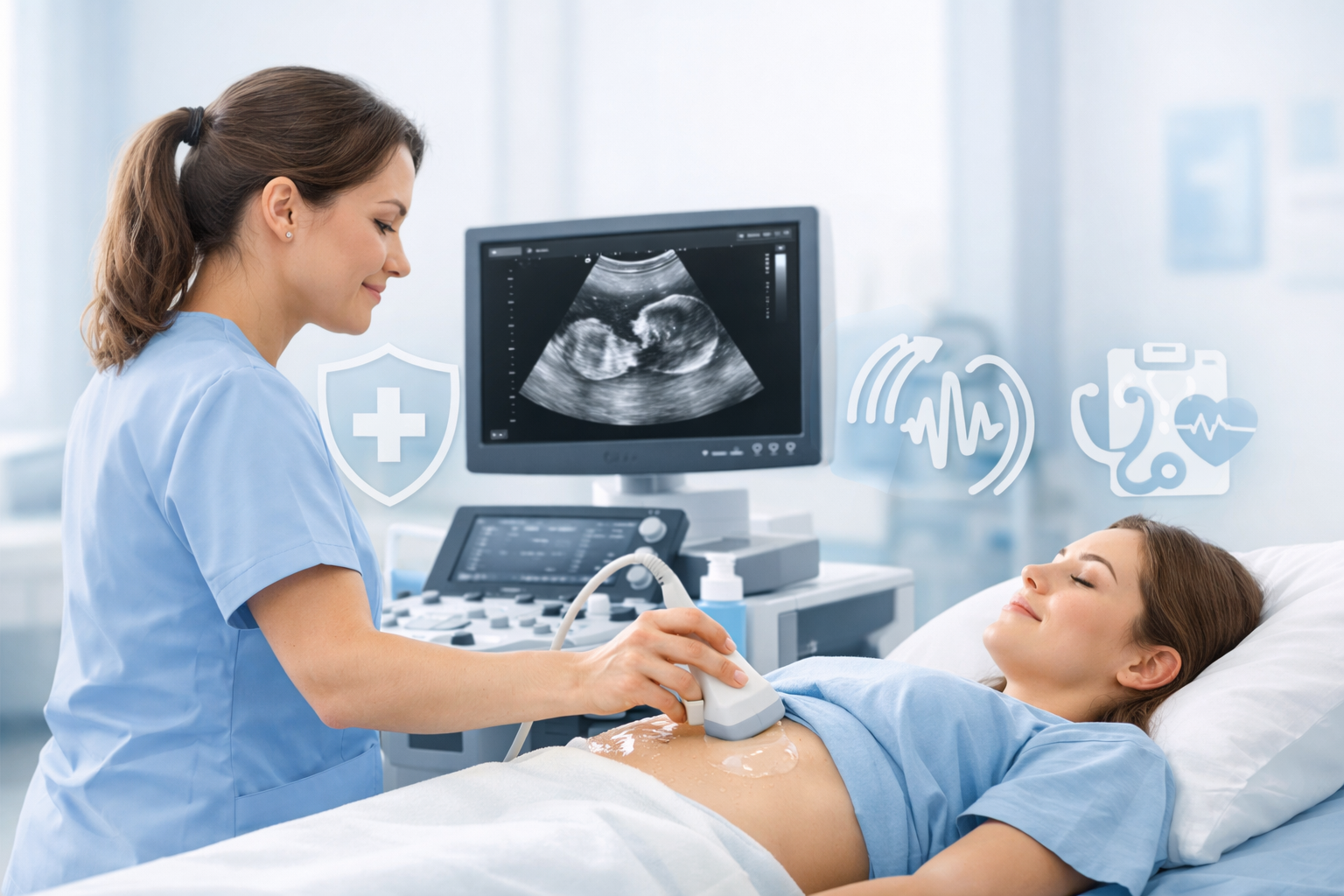
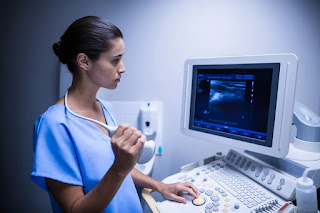
A pelvic ultrasound is one of the most effective and non-invasive methods to evaluate adenomyosis. It helps detect:
- Thickened uterine walls
- Enlarged uterus
- Heterogeneous myometrium
- Other associated conditions like fibroids
In some cases, additional imaging such as MRI may be recommended.
Treatment Options
Treatment depends on the severity of symptoms and whether pregnancy is desired. Options may include:
- Pain management medications
- Hormonal therapy
- Intrauterine devices (IUDs)
- Minimally invasive procedures
- Surgery in severe cases
Early diagnosis allows better symptom control and improved quality of life.
Don’t Ignore Persistent Menstrual Pain
Severe cramps and heavy bleeding are not something you have to live with. A simple scan can provide answers and guide the right treatment.