
Are Ultrasound Scans Harmful? Myths vs Facts
Ultrasound scans are one of the most commonly used and trusted diagnostic tools in modern medicine. From pregnancy monitoring to detecting internal conditions, they play a crucial role in healthcare. However, many patients still worry: “Are ultrasound scans harmful?”
Let’s separate myths from facts and understand the truth.
What is an Ultrasound Scan?
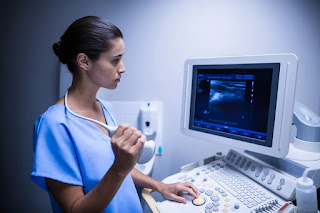
An ultrasound scan uses high-frequency sound waves to create images of organs and tissues inside the body. It does not use radiation, unlike X-rays or CT scans, making it a safer imaging option, especially during pregnancy.
Common Myths About Ultrasound Scans
Myth 1: Ultrasound Scans Use Harmful Radiation
Fact: Ultrasound uses sound waves, not radiation. This is why it is widely used during pregnancy without risk.
Myth 2: Frequent Scans Can Harm the Baby
Fact: When performed by qualified professionals, ultrasound scans are safe and carefully regulated. Doctors only recommend scans when medically necessary.
Myth 3: 4D Scans Are Unsafe Because They Are Advanced
Fact: 4D scans use the same ultrasound technology as 2D and 3D scans. The difference is only in image clarity and real-time visualization.
Myth 4: Ultrasound Causes Pain or Side Effects
Fact: Ultrasound is a non-invasive and painless procedure. Most patients feel only mild pressure from the probe.
Facts You Should Know
✔ Safe for Pregnancy
Ultrasound is considered the gold standard for monitoring fetal development because of its excellent safety profile.
✔ No Long-Term Side Effects
There is no scientific evidence showing long-term harmful effects when used appropriately.
✔ Helps in Early Detection
Ultrasound helps detect conditions early, allowing timely treatment and better outcomes.
✔ Widely Recommended by Experts
Healthcare professionals across the world rely on ultrasound for accurate and safe diagnosis.
When Are Ultrasound Scans Needed?
Doctors may recommend an ultrasound for:
- Pregnancy monitoring (growth scan, anomaly scan, 4D scan)
- Abdominal pain or organ evaluation
- Gynecological conditions (PCOS, fibroids)
- Breast and thyroid evaluation
- Blood flow assessment (Doppler scan)
When Should You Be Careful?
While ultrasound is safe, it should:
- Be performed by a qualified radiologist
- Be done only when medically indicated
- Avoid unnecessary or non-medical usage
Conclusion
Ultrasound scans are safe, painless, and essential for diagnosing and monitoring many health conditions. Most fears surrounding ultrasound are based on myths rather than facts.
If your doctor recommends a scan, you can feel confident knowing it is a trusted and safe procedure.